Make Grandpa the Hero of the Story
22 de junio de 2026 · 6 min de lectura
Most children's books put a child at the center. That makes a lot of sense. But there's a different kind of book, one that feels almost like a gift in both directions, where the grandparent is the hero. Not a supporting character. Not the wise old figure who helps the child along. The main character, with a name and a history and a world the child gets to step into.
If you have a grandparent in your family's life, whether they live nearby or a long drive away, this is worth considering. A book like this does something quiet and lasting. It says: your story matters enough to tell.
Why a grandparent deserves the spotlight
Children know their grandparents through small, repeated moments. The smell of a particular kitchen. A catch phrase said every time goodbye comes around. The way they laugh at their own jokes before the punchline lands. These details are vivid and real, but they don't always add up to a picture of who this person actually is.
A book that puts Grandpa or Grandma front and center changes that. It gives the child a fuller version of this person: someone who was young once, who had adventures, who made choices, who built a life that eventually led, among many other things, to them. That's a rich thing for a young reader to hold onto.
And for the grandparent, being illustrated and named and celebrated in a book a grandchild will actually read and request again is its own kind of joy. Not a plaque on a wall. A story on a lap.
How to gather their stories before you sit down to make the book
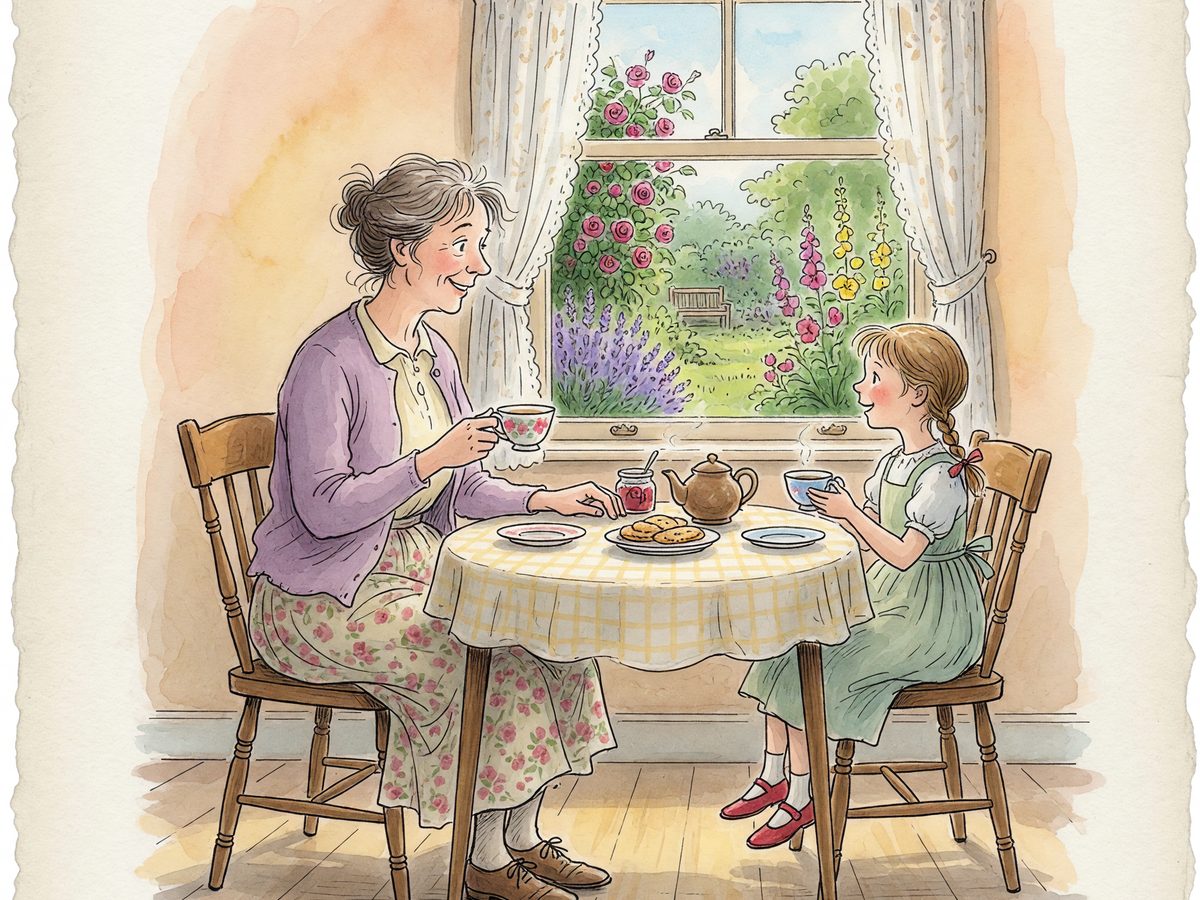
The hardest part isn't making the book. It's knowing what to put in it. Grandparents are often humble about their own lives, or they assume the family already knows the good parts. A gentle conversation, maybe over a long summer afternoon, can open things up in ways you don't expect.
You don't need a formal interview. You just need a few good questions and the willingness to let the answer run long. Ask about a place they loved as a child. Ask what they were afraid of. Ask about the best meal they ever had, or the funniest thing that ever happened to them at work. Ask who taught them something important, and what that person was like. The specific and sensory details, the creak of a floor, the color of a coat, the name of a dog from forty years ago, are the ones that make a story feel alive.
You can do this in person, over the phone, or even by sending a handful of questions ahead of time so they can think it over. Some people open up more when they've had a quiet moment to remember. The goal isn't a complete biography. It's one or two moments, told well.
Questions worth asking
If you're not sure where to start, here are some questions that tend to unlock good material. You don't need to use all of them. Even one good answer can become a whole story.
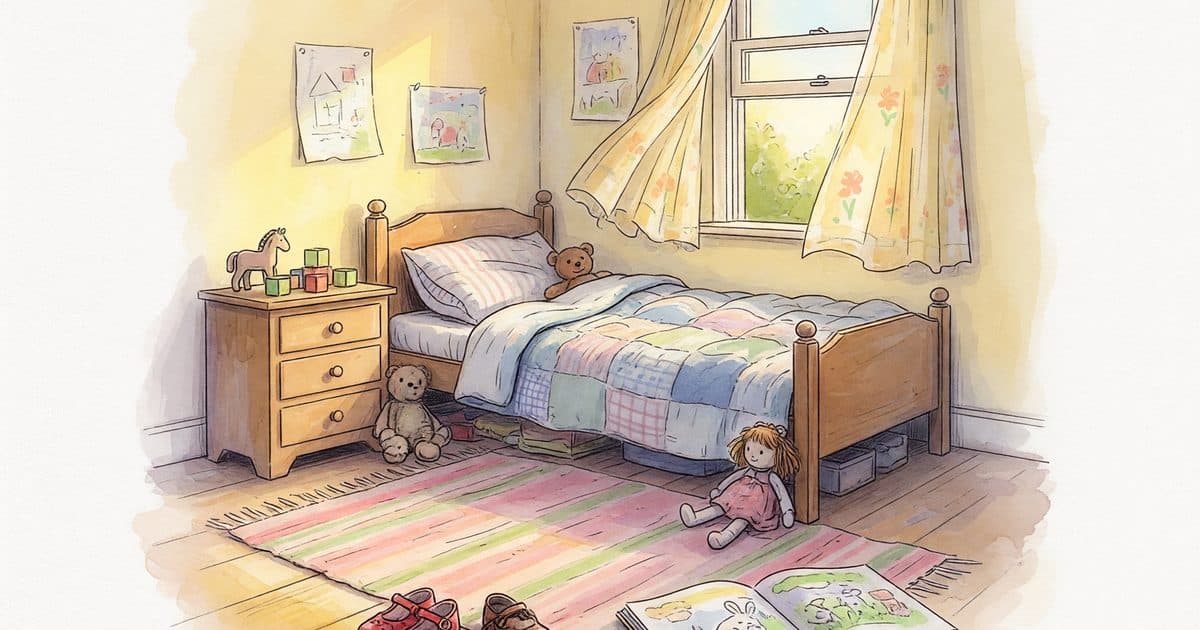
- What was your bedroom like when you were about the same age as the child reading this?
- What game or activity could you spend a whole afternoon doing when you were little?
- Who was your best friend growing up, and what did you two get up to?
- What did you want to be when you grew up, and how did that change?
- Tell me about a trip or adventure you remember clearly.
- What's something you know how to do that most people don't?
- What do you want [child's name] to know about you that they probably don't know yet?
That last question is the one that tends to get quiet for a moment before a really good answer comes. Give it space. Don't rush to the next one.
Choosing the right moment to build around
A children's book works best when it's rooted in a single, concrete moment rather than a broad sweep of someone's life. You're not trying to cover everything. You're trying to make one thing feel real and vivid and worth returning to.
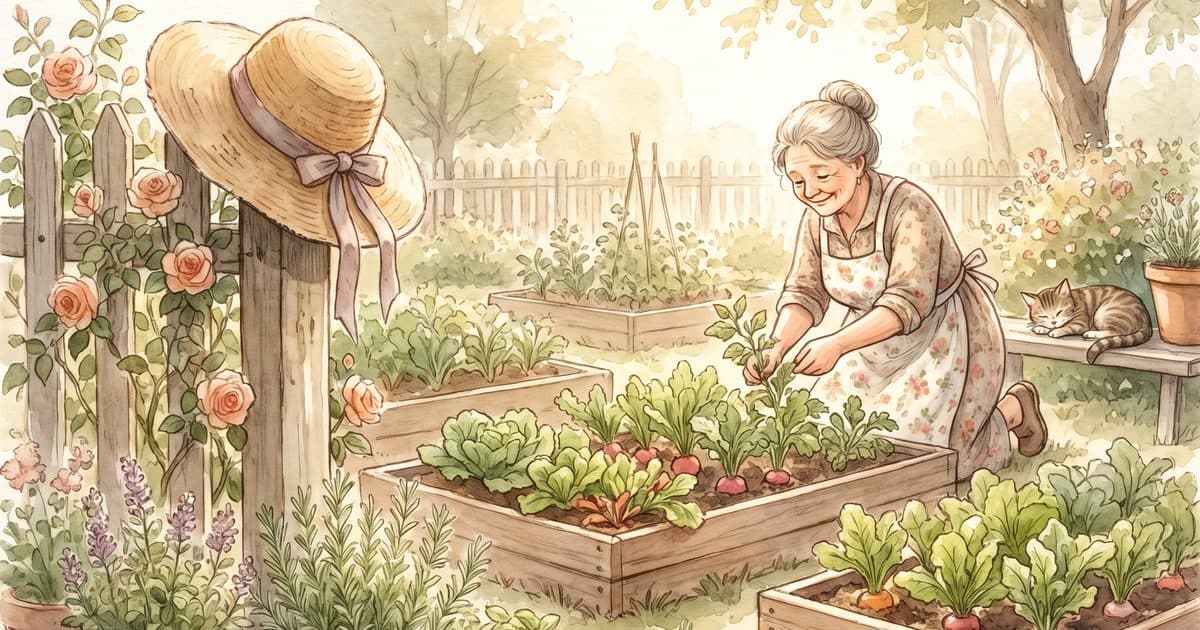
Maybe it's the summer your grandpa spent working on a fishing boat and the thing that happened on the last day of the season. Maybe it's the afternoon your grandma learned to drive, or the winter she got lost in the woods and found her way home by following the smell of her mother's cooking. Maybe it's something smaller: the year she grew her first real garden, or the morning he realized he was going to ask your grandmother to marry him.
The moment doesn't have to be dramatic. It just has to be true, and specific, and connected to who this person is. A child reading it will understand more about their grandparent than they did before. That's the whole point.
The stories we don't tell are the ones that disappear. The ones we put down on a page stay.
How to involve the grandparent in making it
Some families want to surprise the grandparent with a finished book. That's a beautiful thing, and it works wonderfully as a gift. If you're going that route, you can explore what's possible and get a feel for the kinds of stories a book like this can hold before you start gathering details.
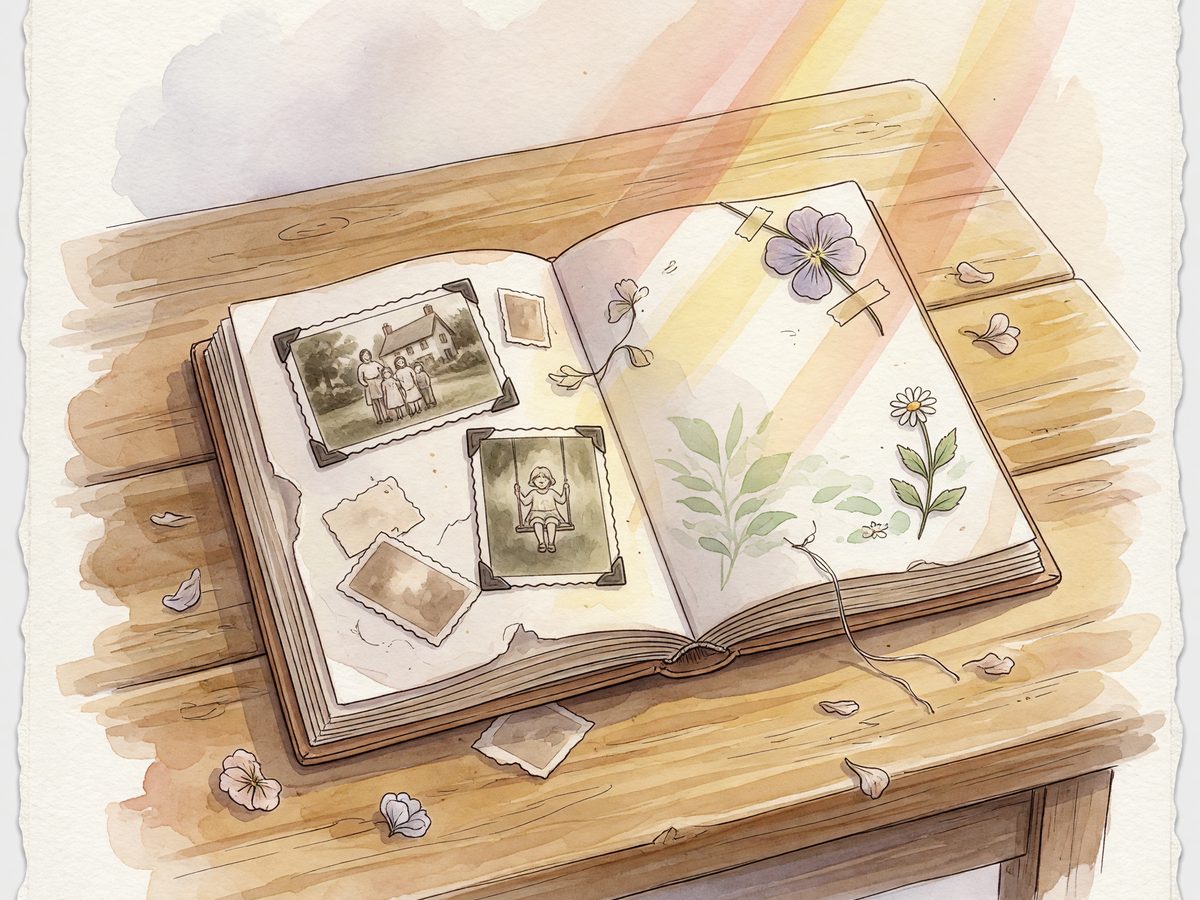
But there's another way to approach it: invite them in. Let the grandparent help shape their own character, review their own story, and feel the pleasure of seeing themselves illustrated and celebrated in their own words. Some grandparents are quietly moved by being asked to participate. The act of being consulted, of having someone say your memory matters here, is part of the gift.
If you're curious about how the whole process works, it's designed to be easy regardless of how much you want to be involved. You can hand over the details and let the writing and illustrations come back to you ready to approve. Or you can build it piece by piece, with more control over every page. Either way, the grandparent's character art gets approved before anything else moves forward, so they'll recognize themselves when the book arrives.
A quiet reason June is a good time to start
Summer has a natural slowness to it, especially early on. There are long evenings. There are visits that aren't rushed by school schedules. If your family has the kind of summer that brings grandparents into the picture, even for a weekend, that's a good window for a conversation you might otherwise keep meaning to have.
A book made for a grandparent doesn't need a birthday or a holiday to justify it. It just needs someone who thinks: this person's story is worth telling, and I want the kids in this family to know it. That's reason enough any time of year, but summer gives you the room to actually do it.
You don't have to have everything figured out before you start. Even a few notes from one good conversation, a name, a place, a moment that made someone laugh, is enough to begin. Take a look at a sample book to get a sense of what these stories look like when they come together. The rest tends to follow.
Haz tu propio libro
Empieza con un momento y las personas que hay en él. Nosotros escribimos e ilustramos el resto.
Crear un libro